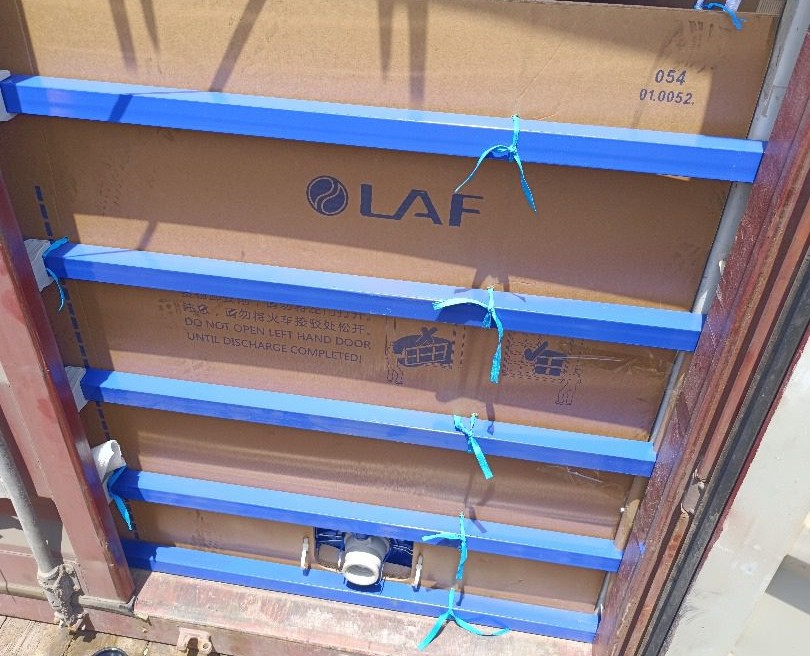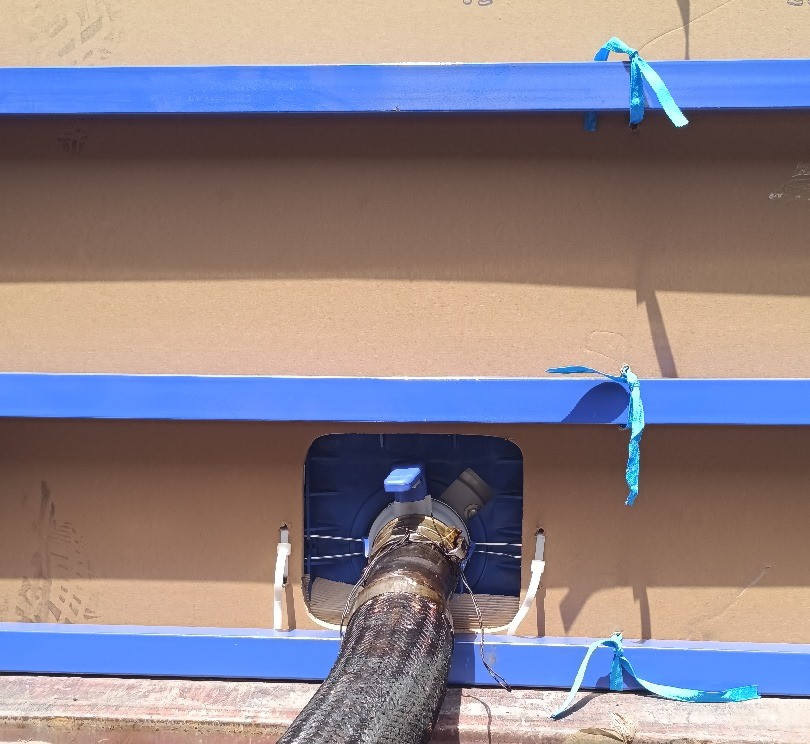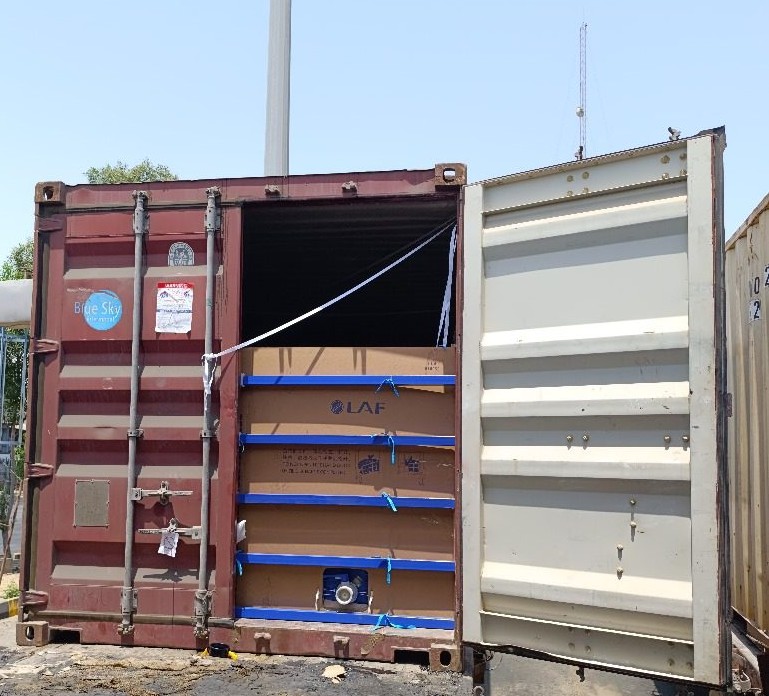
Bitumen Flexitank Packaging
High-Capacity, Cost-Efficient, and Eco-Friendly Solution for Bulk Bitumen Transport
At Deniz petrorefining, our commitment to innovation extends beyond bitumen production — it encompasses how our product reaches the world. Flexitank packaging offers a highly efficient and sustainable method for transporting molten bitumen in bulk. This single-container, high-volume system is increasingly favored by petrochemical exporters due to its logistical simplicity, environmental compatibility, and cost-effectiveness.
Designed for non-corrosive, non-hazardous liquids, bitumen-grade flexitanks provide an optimal balance between volume, safety, and operational ease — ideal for international customers seeking scalable, one-shot solutions.
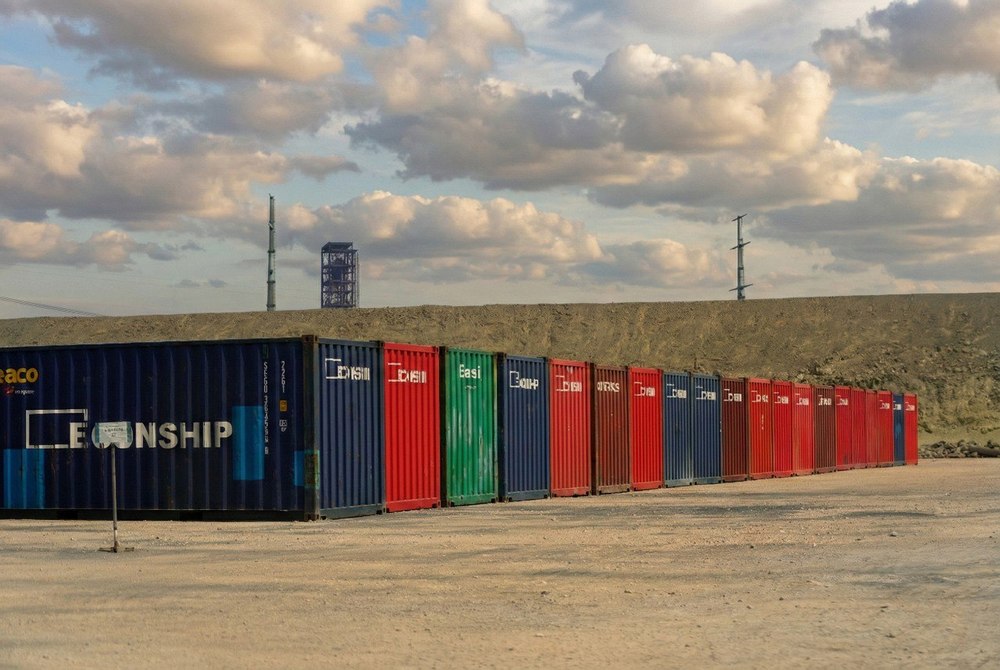
What is a Bitumen Flexitank?
A flexitank is a multi-layer, heat-resistant bladder installed inside a standard 20-foot shipping container. It serves as a temporary, sealed storage tank for molten or viscous liquids, particularly bitumen, base oils, and other liquid petrochemicals.
With a storage range between 14,000 and 24,000 liters, a single flexitank enables the transport of up to 20 metric tons of bitumen per container — significantly more than traditional drums or jumbo bags.
⚠️ Note: Flexitanks are exclusively used in 20-foot containers, as they require structural support from all four container walls. 40-foot containers are unsuitable.
Each flexitank is custom-fabricated for high-pressure resistance and thermal durability, suitable for bitumen filled at up to 110–120°C.
Flexitank Specifications
| Attribute | Specification |
| Length | 590 cm |
| Width | 234 cm |
| Height | 170 cm |
| Material | Polyethylene (inner layers) + Polypropylene (outer layers) |
| Net Weight per Unit | Up to 20,000 kg (20 tons) |
| Valve Types | Single-valve or Dual-valve options |
Why Choose Flexitank for Bitumen Transport?
Compared to other bitumen packaging methods, flexitanks provide unique advantages:
- ✅ Higher Volume Efficiency: Transports 20 tons in a single tank — replacing 110 drums or 20 jumbo bags
- ✅ Eco-Friendly: No drums to dispose of, minimal residual waste
- ✅ Lower Packaging Cost: Cheaper than drums, jumbo bags, or bulk tankers
- ✅ Faster Loading & Discharging: Simplifies terminal operations
- ✅ Minimal Contamination Risk: Each tank is single-use, food-grade, and sealed
- ✅ Reduced Handling Labor: One-time fill and one-time discharge
Deniz petrorefining’s Commitment to Flexitank Excellence
Our flexitank solutions are produced, filled, and dispatched under strict quality controls. We oversee:
- Material sourcing and multi-layer flexi manufacturing
- Expert container preparation and flexitank installation
- Real-time temperature monitoring during loading
- Custom sealing and pre-export inspection
- International shipment and logistics coordination
How Flexitank Bitumen Transport Works
- Container Preparation & Flexitank Installation
Before loading, the interior of the 20-foot container is insulated and reinforced to protect the flexitank against abrasion and thermal loss. Proper installation of the flexitank is crucial to avoid leakage during transport.
- Bitumen Loading
Molten bitumen (≤ 110°C) is pumped into the flexitank via a top or bottom valve system. The flexitank is then sealed. The container is left open briefly to allow the bitumen to cool and solidify naturally.
- Transport & Shipping
Once solidified, the container is closed, inspected, and customs-sealed. Containers are then loaded onto vessels for international shipping.
- Bitumen Discharge at Destination
At the destination port:
- The container is placed on a gentle incline ramp
- The bitumen is gradually re-melted and discharged
Critical Considerations for Safe Flexitank Use
Due to the high value and volume per unit, several safety practices must be followed:
- The container must be properly insulated and dry
- Temperature should be monitored during loading
- Avoid sudden unloading or temperature shifts during discharge
- Flexitank installation must be conducted by trained personnel
- Always perform a pre-shipment inspection